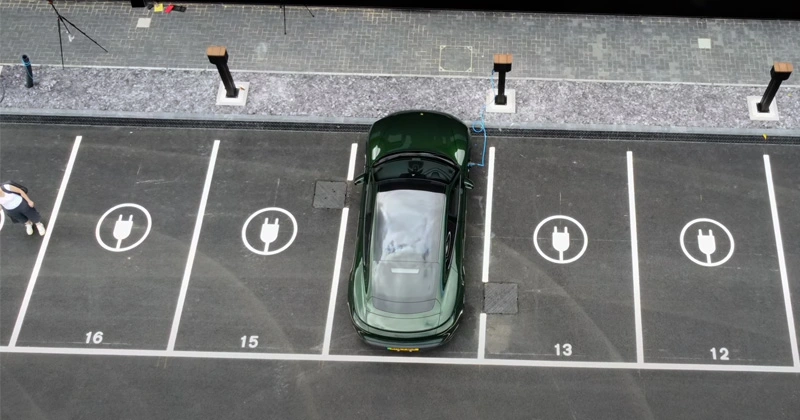
The EV Fleet Revolution is Here
The electrification of vehicle fleets is no longer a distant goal—it’s happening now, and EV fleet electrification is leading the way toward a cleaner, more sustainable future. In fact, zero-emission trucks (ZETs) are taking center stage, with over 42,500 ZETs deployed across the United States as of June 2024, according to CALSTART. Among these, zero-emission cargo vans are driving widespread adoption thanks to their smaller batteries, affordable upfront costs, and high production volumes from diverse manufacturers.
The journey, however, is far from over. Although progress is promising—with 37 original equipment manufacturers (OEMs) now offering ZET models—the adoption rate must still double in order to meet federal climate targets of achieving 100% zero-emission truck and bus sales by 2040. Leading the charge is California, with over 6,000 ZETs on the road, supported by billions in funding, innovative policies, and robust infrastructure. As momentum builds, other states are stepping up, transforming EV fleet electrification into a nationwide movement.
https://chickendogfood.com/can-dogs-eat-lamb-bones/
Let’s dive deeper into how states like California are paving the way and what it means for the future of zero-emission fleets.
California’s Leadership in EV Fleet Electrification: Policies, Progress, and Challenges
California has cemented its position as the nation’s trailblazer in EV fleet electrification, driving innovative policies and investing heavily in clean energy to reduce greenhouse gases and improve air quality. The state’s ambitious situs gacor mandates and substantial funding have not only advanced zero-emission vehicle (ZEV) adoption but also propelled economic growth and innovation in renewable energy technologies. With a grid already powered by over 35% renewables in 2023 and a goal of 100% clean electricity by 2045, California exemplifies how policy, infrastructure, and technology can align to transform transportation. http://music.cus.ac.in/
A Legacy of Fleet Electrification Leadership
California’s commitment to fleet electrification is not new—it’s deeply rooted in decades of proactive policy-making. The groundwork was laid with the California Clean Air Act of 1988, setting stricter emissions standards, followed by the Zero-Emission Vehicle (ZEV) mandate in the 1990s, which spurred early advancements in electric vehicle technology. Programs like the Hybrid and Zero-Emission Truck and Bus Voucher Incentive Project (HVIP) and the Advanced Clean Trucks (ACT) regulation have since accelerated the transition.
In 2020, an executive order took this commitment further, setting a target for all medium- and heavy-duty vehicles in the state to achieve zero emissions by 2045. This ambitious goal hinges on substantial investments in charging infrastructure and a variety of incentive programs designed to make the transition feasible for both public and private fleets.
The Advanced Clean Fleets (ACF) Rule: A Game-Changer
One of the most significant recent developments is the Advanced Clean Fleets (ACF) Rule, adopted in 2023 by the California Air Resources Board (CARB). This regulation is set to transition public and private fleets to ZEVs through phased benchmarks tailored to fleet types.
- Starting January 1, 2024, state and local government fleets must ensure 50% of new vehicle purchases are ZEVs, with full compliance by 2027.
- Drayage trucks must meet a 100% zero-emission mandate by 2035.
- Private fleets with 50 or more vehicles or $50 million in annual revenue must begin replacing internal combustion engine (ICE) vehicles with ZEVs in 2024.
These regulations are complemented by the Advanced Clean Trucks (ACT) Regulation, which requires truck manufacturers to produce increasing percentages of ZEVs annually. By 2035, manufacturers must ensure that 55% of Class 2b-3 trucks, 75% of Class 4-8 trucks, and 40% of Class 7-8 tractors sold in California are zero-emission models.
Closing the Infrastructure Gap
California’s Zero-Emission Vehicle Market Development Strategy plays a critical role in addressing the infrastructure needs created by fleet electrification. The state aims to deploy 250,000 public and shared charging stations and 200 hydrogen refueling stations by 2025. Spearheaded by the California Governor’s Office of Business and Economic Development (GO-Biz) in partnership with agencies like CARB and the California Energy Commission (CEC), the strategy focuses on:
- Level 2 and DC fast charging stations for residential, commercial, and fleet applications.
- Development of hydrogen fueling infrastructure for heavy-duty vehicles.
- Prioritizing equity by investing in underserved communities, ensuring they benefit from cleaner air and better access to ZEV technologies.https://brixtonwintercarnival.com/media/
Overcoming Challenges
Despite its ambitious goals, California’s electrification efforts face challenges. Smaller fleets and rural operators often struggle with high upfront costs for ZEVs and infrastructure upgrades. Limited charging infrastructure in less densely populated areas, coupled with supply chain constraints, adds to the logistical hurdles.
However, state officials emphasize the long-term benefits, including reduced fuel and maintenance costs, and highlight ongoing efforts to enhance grid readiness. By integrating renewable energy sources and demand-response systems, California aims to build a resilient and reliable grid capable of supporting its EV fleet electrification goals.
Driving Toward a Zero-Emission Future
California’s bold policies and substantial investments in EV fleet electrification offer a blueprint for other states and nations. While challenges remain, the state’s leadership demonstrates how strategic planning and collaboration can create a cleaner, more sustainable future. By continuing to address infrastructure gaps and market barriers, California is not only transforming transportation but also paving the way for long-term economic and environmental benefits.https://chickendogfood.com/can-dogs-eat-lamb-bones/
Fleets Gone Electric: Pioneering the Future of EV Fleet Electrification
State agencies are leading the charge in EV fleet electrification, taking bold steps toward ambitious sustainability goals. In a groundbreaking move, the South Pasadena Police Department made history in July 2024 as the first police fleet in the nation to go fully electric. By replacing its traditional gas-powered cars with 20 electric Ford Mustang Mach-E SUVs, the department not only embraced innovation but also demonstrated the practicality of electric vehicles in high-demand roles like law enforcement. This transition aligns seamlessly with California’s vision for carbon neutrality and emission reductions in public fleets. South Pasadena’s success story serves as an inspiring blueprint for police departments and public agencies nationwide to explore clean, cost-effective alternatives in public safety operations.
And South Pasadena isn’t alone. Cities across California are taking decisive action to electrify their fleets. In 2024, Rancho Cucamonga introduced a plan to transition its municipal vehicle fleet to electric. Partnering with graduates from the USC Price School of Public Policy, the city developed a robust strategy to reduce greenhouse gas emissions, cut operational costs, and comply with California’s stringent climate regulations. This initiative underscores Rancho Cucamonga’s forward-thinking approach to sustainability and highlights the potential for municipalities to lead the way in cleaner, greener transportation.
By taking these proactive steps, public agencies and municipalities across the state are proving that EV fleet electrification isn’t just a vision for the future—it’s a practical and powerful solution for today. As more cities embrace electric fleets, they’re not only reducing their carbon footprint but also setting a precedent for others to follow in the race toward a more sustainable world.
What’s Next for EV Fleet Electrification?
California has set the gold standard for EV fleet electrification, showcasing how ambitious policies, financial incentives, and robust infrastructure can work together to transform the transportation landscape. By aligning forward-thinking legislation—like the Advanced Clean Trucks (ACT) rule—with significant funding and infrastructure development, California serves as a blueprint for other states and even countries aiming to reduce emissions and embrace zero-emission transportation.
The ripple effects of California’s success are undeniable. As its programs continue to unfold, the lessons learned and milestones achieved will likely influence the global transition to cleaner, greener transportation systems. Other states, inspired by California’s approach, are already adapting similar strategies, accelerating the adoption of zero-emission vehicles (ZEVs) nationwide.
https://researchlakejournals.com/
Want to Learn More About EV Fleet Electrification?
There’s a wealth of resources available to help you dive deeper into the policies, regulations, and movements shaping the future of EV fleets. Here are a few must-visit sources:
- California Air Resource Board (CARB) Advanced Clean Fleet Regulation Fact Sheet: A comprehensive guide to California’s fleet electrification policies and goals. Click here.
- California Public Utilities Commission Transportation Electrification Webpage: Insights into how utilities are driving EV infrastructure development. Click here.
- U.S. Department of Energy: California’s Fleet Electrification Journey: A detailed summary of California’s achievements and future plans. Click here.
California’s leadership in EV fleet electrification is only the beginning. As these efforts scale, they will pave the way for a cleaner and more sustainable future in transportation worldwide.
Take the Next Step in EV Fleet Electrification
The future of EV fleet electrification is here, and Wevo Energy is proud to support businesses in navigating this transformative journey. Our comprehensive solutions are designed to empower you with seamless fleet slot terpercaya management, optimized energy usage, and robust scalability. Explore how Wevo Energy can help your organization achieve its electrification goals by contacting us or learning more about our platform’s innovative features. Ready to take the next step? Contact us today to drive your fleet into a cleaner, greener future.